How Automated Verification Timelines Shape Entry Points Into Tiered Reward Structures Across Portable Table Simulations
Written by Nils Bennett · Oct 19, 2026
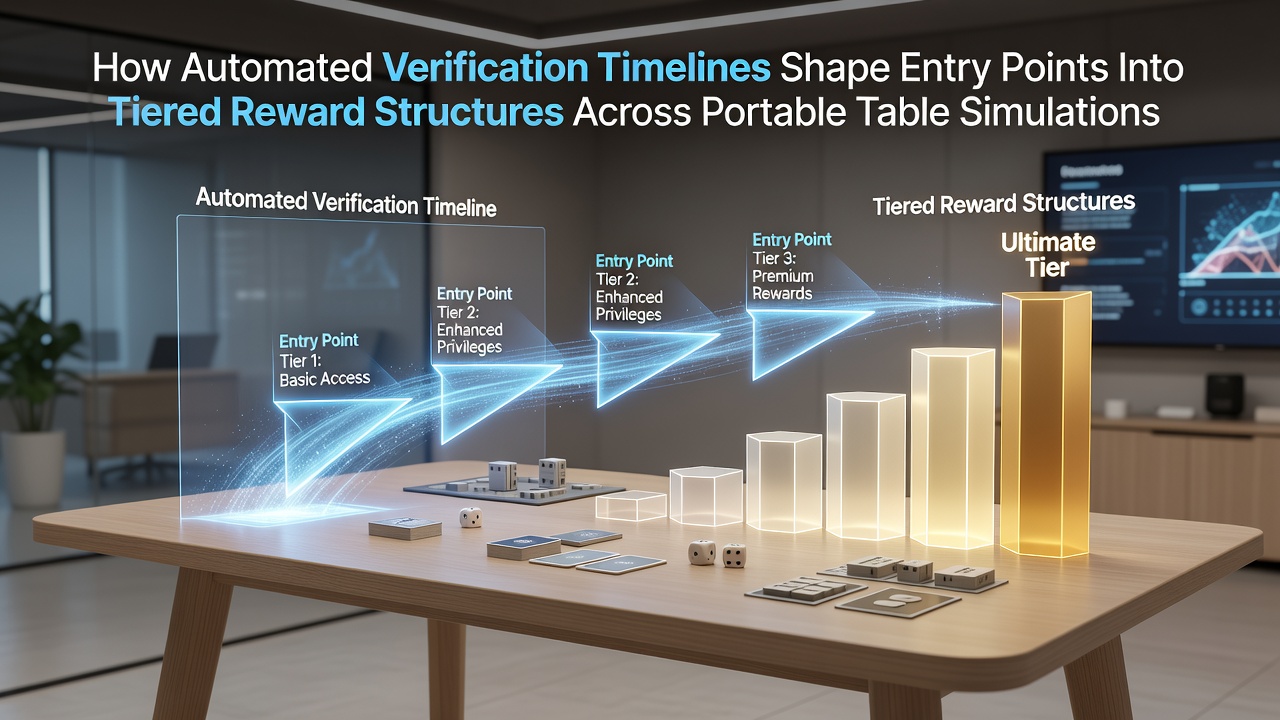
How Automated Verification Timelines Shape Entry Points Into Tiered Reward Structures Across Portable Table Simulations
Portable table simulations have expanded rapidly through 2026, and automated verification systems now determine how quickly players gain access to tiered reward structures in mobile blackjack, roulette, and baccarat environments. These timelines begin the moment a user completes initial registration, triggering a sequence of identity checks, document uploads, and algorithmic approvals that operate without human intervention in most cases. Data from multiple jurisdictions shows that verification completion rates directly influence the speed at which loyalty points accumulate and unlock higher benefit levels.
Operators integrate these systems into app-based platforms where real-time game pacing meets backend processing requirements. When verification finishes within the first 24 hours, players often enter the initial reward tier immediately, allowing deposit flows and game activity to contribute toward the next threshold. Delays beyond 48 hours, however, create bottlenecks that postpone point accrual even if gameplay continues uninterrupted.
Core Mechanics of Automated Verification in Mobile Environments
Verification protocols rely on a combination of biometric matching, address confirmation, and payment source validation executed through secure APIs. In October 2026, several platforms reported average processing windows between 15 minutes and 72 hours depending on document quality and regional regulatory demands. Systems flag incomplete submissions automatically, prompting users through in-app notifications rather than email alone. This approach reduces drop-off rates while maintaining compliance with licensing conditions across operating states and provinces.
Entry points into tiered structures hinge on cumulative activity tracked after verification clears. Lower tiers typically require modest deposit volumes or session counts, whereas mid-level access demands verified play over multiple weeks. The timeline compression achieved through automation allows consistent performers to reach these thresholds faster than in earlier manual review eras.
Regional Patterns and Regulatory Influences
North American markets illustrate distinct variations. Platforms licensed in Pennsylvania demonstrate verification completion averages under 12 hours when users submit clear identification, according to figures from the Pennsylvania Gaming Control Board. Similar efficiencies appear in New Jersey operations where integrated systems cross-reference state databases in real time. Canadian provinces outside Ontario have adopted comparable frameworks, though processing speeds fluctuate with the volume of cross-border players.
European operators follow different schedules shaped by national standards. Research from the European Gaming and Betting Association indicates that streamlined digital verification correlates with higher retention in table simulation categories, particularly when reward escalators activate within the same day. These patterns hold across multiple license types without requiring additional manual layers in routine cases.
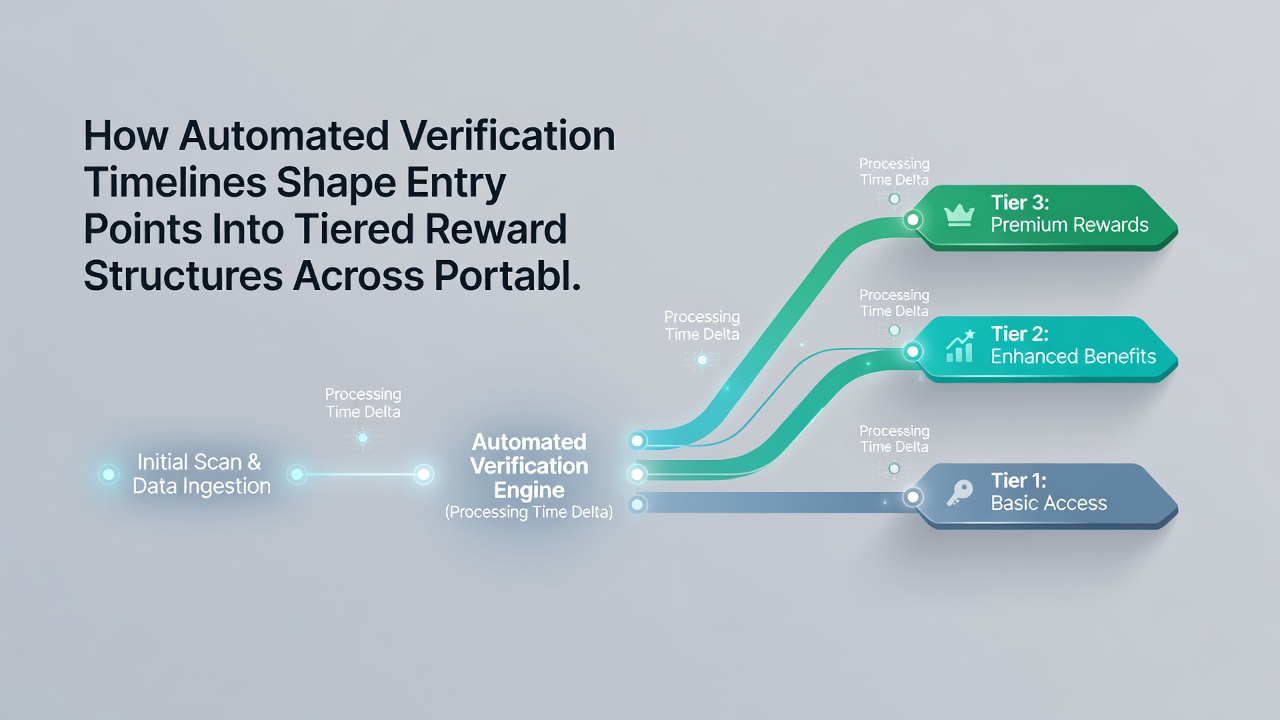
One documented case involved a mid-sized operator that reduced average verification time from 36 hours to under six through updated algorithmic scoring. Players who cleared the process quickly advanced to the second reward tier within 10 days of consistent table play, whereas those experiencing minor delays remained in the entry level for nearly three weeks despite equivalent activity. The difference stemmed entirely from the initial approval window rather than gameplay volume.
Impact on Reward Progression and Player Behavior
Tiered structures in portable table simulations typically include point multipliers, exclusive table limits, and personalized promotions that scale with verified status. Faster verification timelines allow players to begin accumulating qualifying activity sooner, shifting the effective entry point for each level. Studies from academic researchers at the University of Nevada, Reno have tracked how these timing factors affect long-term engagement metrics across simulated dealer environments.
Payment integration plays a supporting role. When verification and deposit authorization occur in parallel, the combined process shortens the gap before reward tracking begins. Platforms that sequence these steps sequentially report longer average waits before users access mid-tier benefits. Observers note that players often adjust their session frequency based on visible progress indicators tied to verification status.
Technical Integration and Future Adjustments
Developers continue refining the algorithms that govern these timelines, incorporating machine learning models trained on historical approval data from multiple jurisdictions. Adjustments implemented in late 2026 have focused on reducing false positives during initial scans while preserving regulatory safeguards. The result appears in shorter median processing periods without increases in compliance incidents.
Portable platforms that synchronize verification with live game states maintain persistent reward ledgers even when users switch devices. This continuity ensures that tier progress remains intact once approval completes, regardless of the device used for subsequent sessions.
Conclusion
Automated verification timelines function as gatekeepers that set the pace for entry into tiered reward structures within portable table simulations. Their efficiency determines how soon players can convert activity into escalating benefits across mobile environments. Regional data and operational reports confirm that shorter processing windows consistently correlate with accelerated progression through loyalty levels. As systems evolve, the relationship between verification speed and reward access remains a measurable factor in platform performance.